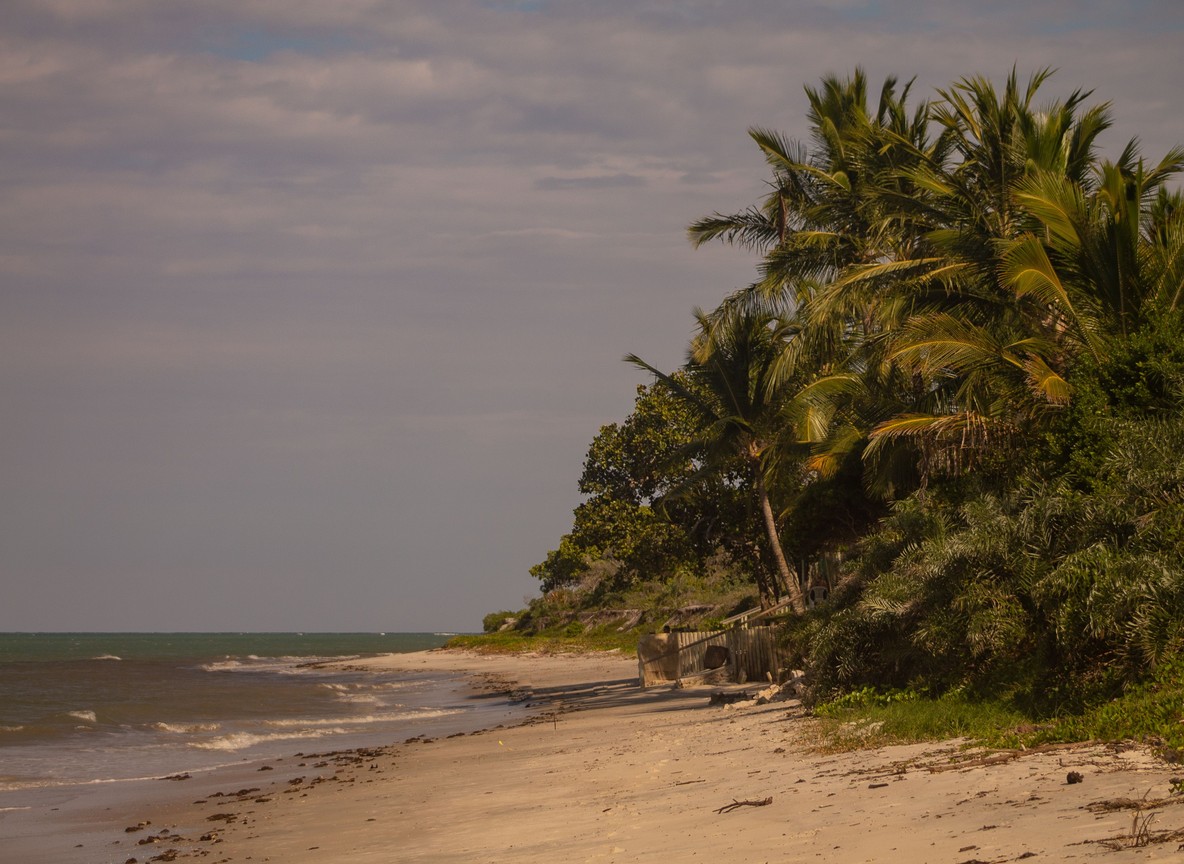
Malindi hotels do not usually sell out in early July. That week sits in the gap between Kenya’s long-rains lull and the August peak. Rooms are normally easy to find. This year was different. Summer Tides, a three-day coastal music festival, moved its 2026 edition to Malindi’s Lost Beach Club from July 2 to 4. It pulled roughly 15,000 people into a town built for a fraction of that traffic. Every hotel bed and Airbnb listing in Malindi filled up. Touring Insights looks at what actually happened. Here is what it means for Malindi as a shoulder-season destination, and how to plan a trip around events like this one.
What Summer Tides Actually Is
Summer Tides is an annual coastal music festival. Event promoter Airbeat Global has run it since 2019. The 2025 edition was held in Diani and drew more than 25,000 attendees, one of the larger beach festivals on the East African calendar. For 2026, organizers moved the festival north to Malindi’s Lost Beach Club. The beachfront venue ran a two-stage lineup across Afrobeats, Amapiano, house, and dancehall sets over the three-day run.
Tickets sold in tiers: a Ksh 3,000 pre-sale batch, a Ksh 4,000 second tier, and a Ksh 5,000 third tier. Both cheaper tiers sold out before the gates opened. At full-tier pricing, that is roughly $23-38 per person for three-day access. That is cheap by international festival standards, and a clear draw for Nairobi-based fans and the Mombasa-Malindi coastal crowd alike.
Why 100% Occupancy Matters for Malindi
Malindi’s accommodation base skews toward independent guesthouses, mid-range beach hotels, and a growing pool of Airbnb apartments. That is different from the large resort chains that dominate Diani and Mombasa’s north coast. A festival-driven sellout in a town that size is a different signal than a sellout in a bigger hub. It shows a well-timed event can fill rooms in a week the coast normally treats as slow. No peak-season pricing or school-holiday crowd was needed to do it.
For hoteliers, the lesson is straightforward. Anchor demand in July no longer has to wait for the August school-holiday wave. For travelers, booking early matters more than it used to, even for dates that used to be safely last-minute.
The pattern points to something bigger than one weekend. Coast towns outside the big resort belts, Malindi included, tend to get judged on peak-season numbers alone. A single well-marketed event moved the occupancy needle in a normally quiet week. That suggests demand exists year-round. It just needs a reason to show up.
Malindi’s Shoulder Season vs a Festival Week
The table below sets out how a normal shoulder-season week in Malindi compares with what the July 2-4 festival week looked like on the ground.
| Factor | Typical early-July week (no event) | Summer Tides festival week (Jul 2-4, 2026) |
|---|---|---|
| Hotel/Airbnb occupancy | Moderate, rooms generally available | 100%, sold out across hotels and Airbnb listings |
| Attendance driving the town | Local and small independent-traveler flow | Roughly 15,000 festival attendees over 3 days |
| Ticket/entry cost | N/A | Ksh 3,000-5,000 (approx. $23-38) per 3-day pass |
| Beach and venue crowd density | Low, quiet stretches common | High, concentrated around Lost Beach Club |
| Booking lead time needed | Days, often workable last-minute | Weeks, accommodation partners reported sellouts |
Planning a Coast Trip Around the Festival Calendar
A festival like Summer Tides can flip Malindi from quiet to sold out in a matter of days. The smart move is to treat the coast’s event calendar as part of trip planning, not an afterthought. Two approaches work, depending on what a traveler wants.
Travelers who want the festival energy should book Malindi accommodation as soon as dates are confirmed. Aim for four to six weeks ahead, since the cheaper ticket tiers and the closest rooms to Lost Beach Club sell first. Travelers who want Malindi’s usual quiet beach pace have two options. Arrive a few days before the festival window, or shift the trip toward Watamu, roughly 25 km south. Watamu absorbs less festival overflow and keeps its usual shoulder-season calm.
A third option works for travelers who want both. Book a Watamu base for the bulk of the trip, then plan a single day trip up to Malindi to catch the festival itself. The 25 km drive is short enough for a day out. It also avoids competing for a Malindi room during the tightest nights of the sellout window.
Getting to Malindi: Flights, Roads, and Distances
Malindi Airport (MYD) has direct scheduled flights from Nairobi’s Jomo Kenyatta International Airport. The flight takes about 70 to 75 minutes on carriers including Jambojet, running roughly four flights a day. Travelers coming from Mombasa can fly or drive. The road route north along the B8 coast road covers about 120 km and typically takes 2 to 2.5 hours, depending on traffic through Kilifi.
| Route | Distance | Typical time |
|---|---|---|
| Nairobi (JKIA) to Malindi Airport, by air | approx. 440 km | 70-75 minutes |
| Mombasa to Malindi, by road (B8) | approx. 120 km | 2-2.5 hours |
| Malindi to Watamu, by road | approx. 25 km | 30-40 minutes |
| Malindi to Gede Ruins | approx. 15 km | 20-25 minutes |
What Else Is Worth Doing Nearby
Malindi’s appeal beyond the festival stage is real and worth building a trip around. Malindi Marine National Park was gazetted in 1968, one of Kenya’s oldest marine protected areas. It sits just offshore and charges a non-resident entry fee of $25 per adult under the current Kenya Wildlife Service fee schedule. The historic Vasco da Gama Pillar, a 15th-century Portuguese navigation marker, still stands on the headland south of town. Further inland, the Gede Ruins preserve a 12th to 17th-century Swahili trading town, now managed as a national monument.
Watamu, a short drive south, offers its own marine park and a quieter version of the same coastline. That makes it a good base for travelers who want beach time without festival-week crowds.
Deep-sea fishing charters run out of Malindi harbor year-round, targeting sailfish and marlin on the edge of the continental shelf. Several operators offer half-day and full-day trips regardless of whether a festival is on. Snorkeling and glass-bottom boat trips into Malindi Marine National Park’s coral gardens run daily from the town’s main beach, weather permitting. Booking is usually easy same-day outside event weeks.
Explorer Notes
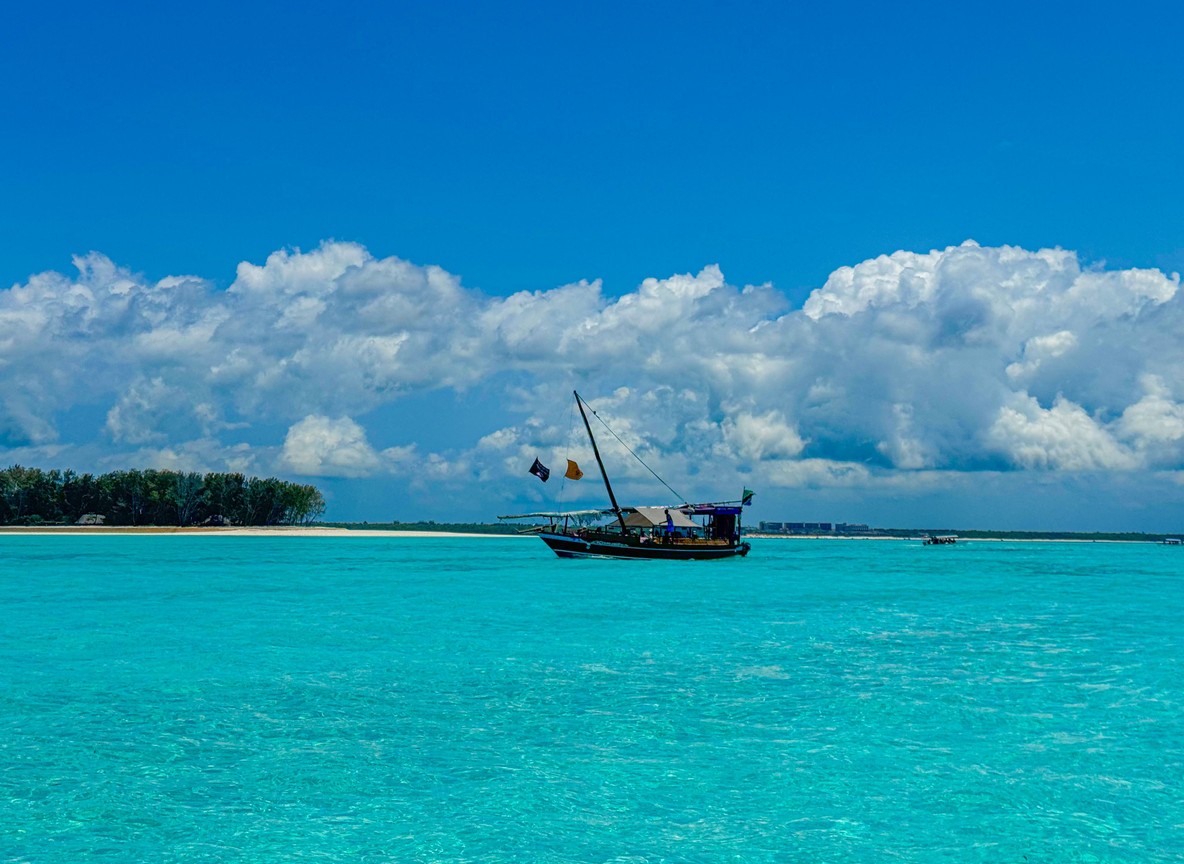
Ask any Malindi guesthouse manager about festival week and the real crunch will not be the festival dates themselves. It is the two or three nights before and after. Attendees traveling from Nairobi or Mombasa often pad their stay, which pushes the sold-out window wider than the festival’s own three days. If a trip depends on a specific property, confirm the exact check-in and check-out dates rather than just the festival dates when booking. Also worth knowing locally: taxi and tuk-tuk fares in Malindi town rise noticeably during a big event. Agree a fare before getting in rather than after. Expect beachfront restaurants near Lost Beach Club to run reduced or festival-only menus for the three days.
Common Mistakes to Avoid
- Assuming Malindi is always easy to book in early July. Confirm whether an event is scheduled before treating any coast date as automatically low-demand.
- Booking a quiet-beach trip without checking the local events calendar first, which can mean landing in the middle of a sold-out festival crowd by accident.
- Underestimating road time from Mombasa. The 120 km B8 route can run well past 2.5 hours with coast-road traffic and speed bumps through town centers.
- Skipping travel insurance around large public events, where transport and last-minute accommodation changes are more common than usual.
What to Read Next
- Considering Watamu as your base instead? Read our Watamu beach and marine park guide.
- Planning the wider coast leg of your trip? See our Kenya coast complete guide.
- Curious about other coast events? Check our Tobongu Lore Festival guide.
FAQ
What is Summer Tides Festival? Summer Tides is an annual Kenyan coast music festival produced by Airbeat Global since 2019. The 2026 edition ran July 2-4 at Lost Beach Club in Malindi. The 2025 edition was held in Diani.
Did Summer Tides really sell out Malindi’s hotels? Yes. Local coast media reported occupancy at 100% across Malindi hotels and Airbnb listings during the July 2-4, 2026 festival dates. Roughly 15,000 attendees came through over the three days.
Is early July normally a good time to visit Malindi? Yes, in a typical year. Early July falls in Malindi’s shoulder season, after the long rains ease and before the August peak. Rooms are usually easier to find and rates are lower. A scheduled event can change that picture for specific dates, so check the local calendar first.
How much do Summer Tides tickets cost? The 2026 tiers ran from a Ksh 3,000 pre-sale to a Ksh 5,000 third tier. That is roughly $23-38 for three-day festival access, though the cheaper tiers sold out ahead of the event.
Is Watamu a good alternative if Malindi is booked out? Yes. Watamu sits about 25 km south of Malindi, roughly a 30 to 40 minute drive. It offers its own marine park and beach access with less festival-driven demand.
Building a coast trip around a moment like this takes a bit more lead time than the old rule of thumb allows. Visit our Tour Packages page to check current Kenya coast itineraries. Or ask a partner operator to confirm live room availability before locking in Malindi dates.